
Baggage Rules
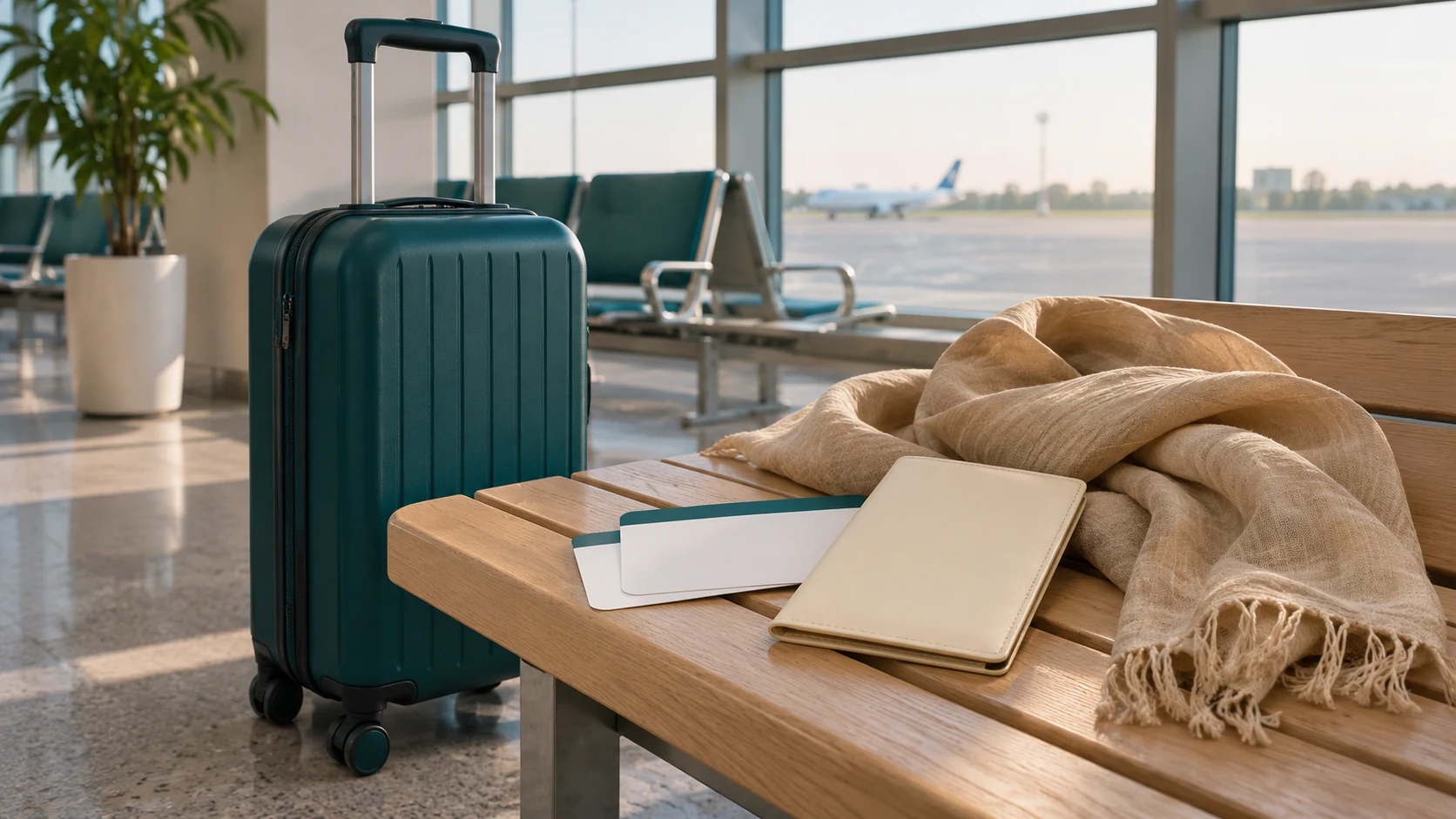
GENERAL BAGGAGE TRANSPORTATION RULES
Dear Passengers,
To ensure flight safety, baggage security, and comfortable passenger service, please familiarize yourself with the main rules for the transportation of baggage and carry-on baggage.
1. General Provisions
1.1. Passenger baggage is accepted for carriage upon presentation of a valid air ticket and in accordance with the rules of the airline operating the flight.
1.2. The free baggage allowance, quantity, weight, and dimensions are established by the airline and may vary depending on the fare, route, and class of service.
1.3. Before travelling, passengers are advised to check with the airline in advance regarding:
- free baggage allowance;
- permitted weight and dimensions of each piece of baggage;
- carry-on baggage allowance;
- conditions for transporting excess and oversized baggage;
- rules for transporting special categories of baggage.
1.4. The passenger is responsible for the proper packing and contents of their baggage.
2. Check-in and Baggage Drop-off
When checking in for a flight, the passenger must:
- present an identity document and air ticket/boarding pass;
- present baggage for weighing and registration;
- not submit prohibited items or substances for carriage;
- ensure that the baggage tag has been correctly issued;
- keep the baggage receipt/detachable baggage tag until the baggage is collected at the destination airport.
After registration, the baggage is sent for security screening and loading onto the aircraft.
Important: Passengers are advised not to place documents, cash, bank cards, valuables, essential medicines, or other items that may be needed during the journey in checked baggage.
3. Carry-on Baggage
Carry-on baggage is transported in the passenger cabin within the weight and size limits established by the airline.
Passengers are advised to carry the following items in their carry-on baggage:
- documents;
- cash and bank cards;
- electronic devices;
- essential medicines;
- other valuable and essential items needed during the flight.
The size and weight of carry-on baggage are determined by the airline.
If carry-on baggage exceeds the established limits, the airline may require it to be checked in as baggage and the applicable fee to be paid.
4. Prohibited Items
For aviation security purposes, it is prohibited to carry in checked and/or carry-on baggage any items or substances whose carriage is prohibited by law, aviation security regulations, or airline requirements.
Such items may include, in particular:
- explosives and explosive devices;
- flammable substances and materials;
- toxic and poisonous substances;
- radioactive materials;
- weapons and ammunition without the appropriate authorization;
- certain sharp and cutting items in carry-on baggage;
- other items capable of posing a threat to the safety of passengers, crew, or the aircraft.
Attention! The list of prohibited items may vary depending on the type of baggage, route, and requirements of the state or airline.
Before travelling, be sure to familiarize yourself with the carrier’s current requirements.
5. Liquids in Carry-on Baggage
The transportation of liquids, aerosols, and gels in carry-on baggage is carried out in accordance with the applicable aviation security rules of the airport, state, and airline.
Before passing through security control, passengers are advised to check the contents of their carry-on baggage and prepare liquids in advance in accordance with the established requirements.
Separate rules may apply to:
- medicines;
- baby food;
- special dietary products;
- liquids purchased at Duty Free shops.
6. Electronic Devices and Batteries
Portable electronic devices and spare lithium batteries/accumulators must be transported in accordance with aviation security requirements and airline rules.
Particular attention should be paid to:
- power banks (portable charging devices);
- spare lithium batteries;
- electronic cigarettes and similar devices;
- high-capacity batteries.
Power banks and spare lithium batteries should not be placed in checked baggage. As a rule, they are carried in carry-on baggage subject to the applicable restrictions.
Before the flight, passengers must check the permitted battery capacity and the requirements of the specific airline.
7. Oversized and Excess Baggage
Baggage may be considered oversized or excess baggage if it exceeds the airline’s established limits in terms of:
- weight;
- number of pieces;
- dimensions.
The transportation of such baggage is subject to prior agreement with the airline and, as a rule, requires an additional fee.
Special baggage may include:
- sports equipment;
- musical instruments;
- baby strollers;
- wheelchairs and mobility aids;
- large-sized equipment;
- other property requiring special transportation conditions.
Passengers are advised to contact the airline in advance to agree on the conditions of carriage.
8. Valuables
Passengers are advised not to place the following items in checked baggage:
- cash;
- passports and other documents;
- bank cards;
- valuables;
- expensive electronic equipment;
- laptops and other valuable devices;
- important business documents;
- medicines required during the journey.
Such items should be carried in carry-on baggage where permitted by security regulations.
9. Baggage Packing
Baggage must be packed in a manner that ensures its safety during transportation and loading/unloading operations.
Passengers are advised to:
- use a sturdy suitcase or other suitable packaging;
- securely close the baggage;
- avoid leaving unsecured straps, ribbons, or other loose elements;
- remove old baggage tags;
- indicate the passenger’s name and contact details on the baggage;
- do not overload the suitcase beyond its structural capacity.
If necessary, passengers may use the baggage wrapping service at the airport.
10. Baggage Collection
Upon arrival at the destination airport, passengers collect their checked baggage in the baggage claim area.
When collecting baggage, passengers should:
- check the integrity of the baggage;
- make sure that the baggage belongs to them;
- check that the baggage tag corresponds to their baggage;
- immediately contact the baggage tracing service/staff or airline representative if the baggage is damaged or missing.
Do not leave the baggage claim area if you discover damage, missing contents, or missing baggage.
11. Lost or Delayed Baggage
If checked baggage does not arrive together with the passenger, the passenger must immediately contact the airline representative or the baggage tracing service at the airport.
The following may be required to file a report:
- passport or other identity document;
- boarding pass;
- baggage receipt/baggage tag;
- description of the baggage;
- passenger’s contact details.
Passengers should keep all documents received when filing the report.
12. Damaged Baggage
If baggage is found to be damaged, the passenger must contact the airline representative or the relevant airport service before leaving the baggage claim area.
The following may be required for consideration of the claim:
- baggage tag;
- boarding pass;
- identity document;
- photographs of the damage;
- documents issued when reporting the incident at the airport.
The procedure and deadlines for processing claims are determined by the applicable carrier rules and legislation.
13. Baby Strollers and Mobility Aids
Baby strollers, wheelchairs, and other mobility aids are transported in accordance with the airline’s rules.
Passengers requiring special assistance are advised to inform the airline in advance.
If there are special requirements for transporting wheelchairs equipped with electric batteries, the conditions of carriage should be clarified in advance.
14. Animals
Animals may be transported only in compliance with the airline’s requirements, veterinary regulations, and other applicable rules.
Before travelling, passengers must arrange the transportation of an animal with the airline in advance.
The following may be required:
- veterinary documents;
- permits;
- a special container;
- advance booking of the service;
- additional payment.
15. Passenger Responsibility
The passenger is responsible for:
- the presence of prohibited items in baggage;
- the accuracy of the information provided;
- compliance with established transportation requirements;
- proper packing of baggage;
- timely presentation of baggage for registration and inspection.
Violation of aviation security requirements may result in the confiscation of prohibited items, refusal of carriage, additional screening, or other measures in accordance with applicable legislation.
16. Important Information
Baggage transportation rules may differ depending on:
- airline;
- route;
- class of service;
- fare;
- type of aircraft;
- legislation of the country of departure, transit, and destination;
- aviation security requirements.
Before departure, be sure to familiarize yourself with the current rules of the airline operating your flight.
Planning a Trip?
Before arriving at the airport, we recommend that you:
☑ check the baggage allowance stated on your ticket;
☑ weigh your baggage at home;
☑ check the dimensions of your carry-on baggage;
☑ remove prohibited items;
☑ check the rules for transporting liquids;
☑ check the rules for transporting power banks and batteries;
☑ keep your documents and baggage receipt;
☑ inform the airline in advance if you require special assistance.
We wish you a pleasant and safe flight!
The information on this page is provided for general informational purposes only. In the event of discrepancies, the applicable legislation, aviation security requirements, and the rules of the airline operating the carriage shall apply.
SAFE TRAVEL WITH LITHIUM BATTERIES
1. TAKE ONLY WHAT IS NECESSARY
Take only the devices and batteries that you actually need. Each passenger is permitted to carry up to two spare batteries.
2. KEEP YOUR DEVICE WITH YOU
Always carry electronic devices with you or in carry-on baggage placed under the seat in front of you.
3. USE THEM CORRECTLY
Do not charge spare batteries using power sources installed in the seat or onboard the aircraft.
Do not use them to charge or power other portable electronic devices during taxiing, take-off, or landing.
4. BE ALERT
If a device becomes hot, emits smoke, or is damaged, immediately inform the crew.
5. CHECK THE BATTERY CAPACITY
Drones and devices equipped with large-capacity batteries must be approved by the airline before travelling.
6. CHECK AT THE BOARDING GATE
If you are asked to check your carry-on baggage at the boarding gate or onboard the aircraft, remove all electronic devices beforehand and take them with you into the cabin.
7. PROTECT THE BATTERIES
If you are carrying spare batteries, cover the contacts with insulating tape or keep them in their original packaging.
8. CHECK WITH THE AIRLINE
Each airline has its own requirements — check them in advance before travelling.